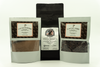


Cacao in Coffee: Ancient Fuel for the Modern Morning
Jan 18, 2026
Coffee has never been just a beverage. Long before it became something grabbed on the way out the door, coffee marked a moment of pause. It was ground by hand, brewed with care, and consumed with intention. In many traditions, coffee wasn’t rushed. It was prepared deliberately, often alongside other grounding ingredients meant to steady the body and focus the mind.
One of those ingredients is cacao.
Not chocolate as it’s commonly understood today, sweetened, processed, and engineered for indulgence, but raw cacao in its most honest form. Bitter. Earthy. Aromatic. When thoughtfully paired with coffee, cacao doesn’t compete with the cup. It deepens it. It adds weight and texture, softens sharp edges, and invites a slower, more intentional start to the day.
This isn’t about trends or hacks. It’s about returning to a way of brewing that values craft, origin, and restraint.
A Brief Look Back: When Cacao Was a Drink, Not a Dessert
Cacao’s story begins thousands of years ago in Central and South America, where it was prepared as a bitter beverage long before sugar ever touched it. Cacao drinks were often mixed with water, spices, or herbs and consumed as part of daily life and ceremonial practice. These drinks were grounding by design, meant to be felt, not disguised.
Coffee arrived later, but the pairing makes historical sense. Both coffee and cacao were originally consumed unsweetened, valued for their depth, bitterness, and aromatic complexity. Across cultures, coffee was often combined with other plant-based ingredients. Not to mask its flavor, but to build layers within it.
What matters here isn’t nostalgia. It’s understanding intent. Cacao was never meant to be hidden behind sweetness. It was meant to stand alongside other bold flavors, adding dimension rather than distraction. Coffee remains one of the few modern drinks capable of carrying that tradition forward.
Cacao Powder vs. Cacao Nibs: A Practical Distinction
If you’ve experimented with cacao before, you’ve likely encountered two forms: cacao nibs and cacao powder. Though they come from the same source, they behave very differently in coffee.
Flavor Differences
Cacao nibs are crushed pieces of fermented and dried cacao beans. They’re crunchy, sharply bitter, and intensely roasted in character. In coffee, nibs can bring a dry, angular bitterness that’s great in the right context, but easy to overdo.
Cacao powder, by contrast, is finely ground cacao with much of the fat removed. It’s smoother, more aromatic, and easier to integrate into liquid. In coffee, cacao powder delivers depth without harshness, adding a dark chocolate note that feels cohesive rather than abrupt.
Extraction vs. Ingestion
Cacao nibs rely primarily on extraction. When added to brewed coffee, only a portion of their flavor compounds make it into the cup unless steeped for extended periods. Much of the material remains behind, either filtered out or settling at the bottom.
Cacao powder becomes part of the drink itself. Because it’s finely milled, it disperses through the coffee and contributes directly to the body and mouthfeel. What you add is what you taste. It’s more consistent and easier to repeat day to day.
Why Powder Delivers More Consistency in Coffee
From a preparation standpoint, cacao powder offers predictability. A measured amount delivers the same depth and intensity across brew methods. It blends with coffee rather than competing against it.
For daily brewing, whether drip, pour-over, or espresso-based, powder is simply easier to work with. It respects the coffee’s structure while adding another layer to the cup.
How to Dissolve Cacao Properly: The Slurry Method
One of the most common frustrations with cacao powder is clumping. When added directly to hot coffee, cacao can float, stick, and never fully blend.
The fix is simple and time-tested. Make a quick slurry first.
Step-by-Step Slurry Method
-
Measure with restraint.
Start with 1/2 to 1 teaspoon of raw cacao powder per 8 to 10 oz cup of coffee. The goal is depth, not dominance. -
Make a slurry.
In a small cup or bowl, add the cacao powder and 1 to 2 tablespoons of hot water or hot coffee. Stir vigorously until smooth and glossy. -
Combine with the brew.
Pour the slurry into your brewed coffee and stir gently until fully incorporated. -
Taste before you adjust.
Give it a few seconds. Cacao opens up gradually, and the cup often settles into balance after a short stir.
Tip: If you like a creamier texture, the slurry can also be made with a splash of warm milk (or your preferred alternative) before adding it to coffee.
Flavor Pairings: Light, Medium, and Dark Roasts
Cacao shifts depending on the roast it’s paired with. Here’s a simple guide for keeping the cup balanced.
Light Roasts
Light roasts emphasize acidity, brightness, and origin character. Cacao adds grounding weight to these cups, tempering sharp notes without muting them. The result is contrast. Brightness held in place by bitterness.
Use less cacao here. A light hand preserves the coffee’s clarity.
Medium Roasts
Medium roasts provide the most natural bridge for cacao. Their caramelized sugars and balanced acidity welcome cacao’s depth, producing a rounded cup that feels complete without becoming heavy.
This pairing tends to work best for everyday brewing.
Dark Roasts
Dark roasts already lean into boldness and bitterness. Cacao can deepen richness and add a darker chocolate note, but it can also intensify the edge if you use too much. Keep the dose modest and let the coffee lead.
Why Cacao Pairs Well With Coffee’s Natural Compounds
Coffee and cacao share more than flavor compatibility. Both contain naturally occurring compounds that influence how a cup feels.
Coffee’s caffeine is familiar, direct and immediate. Cacao contains theobromine, a compound related to caffeine but often experienced as gentler in character. When combined thoughtfully, the experience can feel layered rather than amplified.
This isn’t about promises. It’s about texture. Cacao can help a cup feel steadier and more rounded, while still letting the coffee remain the main event.
Optional Ritual: Intentional Brewing in the Modern Morning
Adding cacao to coffee isn’t about optimization. It’s about slowing down.
Measuring. Mixing. Stirring. Small steps that turn a routine into a ritual, a way to start the day with intention before momentum takes over.
The aroma of cacao blooming in hot coffee. The deeper color. The first sip that asks you to pause rather than rush. These are simple cues that the day has begun, on purpose.
Origin Matters, Even When Used Simply
When cacao is treated with the same respect as coffee, sourced intentionally, minimally processed, and prepared thoughtfully, it becomes part of the ritual rather than an afterthought.
That’s why single-origin cacao matters. Not because it needs to be elevated, but because clarity of origin often preserves clarity of flavor.
At Freedom Forged Coffee Company, we gravitate toward single-origin cacao from El Salvador sourced with that same restraint and care we expect from our coffee. Clean ingredients, craft sourcing, and preparation that respects the raw material.
Closing Thoughts
Cacao in coffee isn’t a reinvention. It’s a return. Bitterness that’s intentional. Mornings that begin with awareness. Brewing that values depth over distraction.
If you choose to experiment, do so slowly. Adjust deliberately. Taste carefully. Let cacao play its role as a companion to the cup, not a cover for it.
And if cacao becomes part of your daily rhythm, let it serve the same purpose coffee always has. To mark the moment where the day begins.
In a future post, we’ll explore cacao through a different functional lens, one that looks beyond the cup and into broader tradition. Until then, the morning brew is a good place to start.
Comments 0
Be the first to leave a comment.